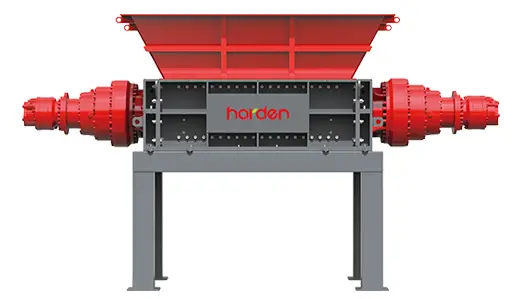
Harden TDH Series
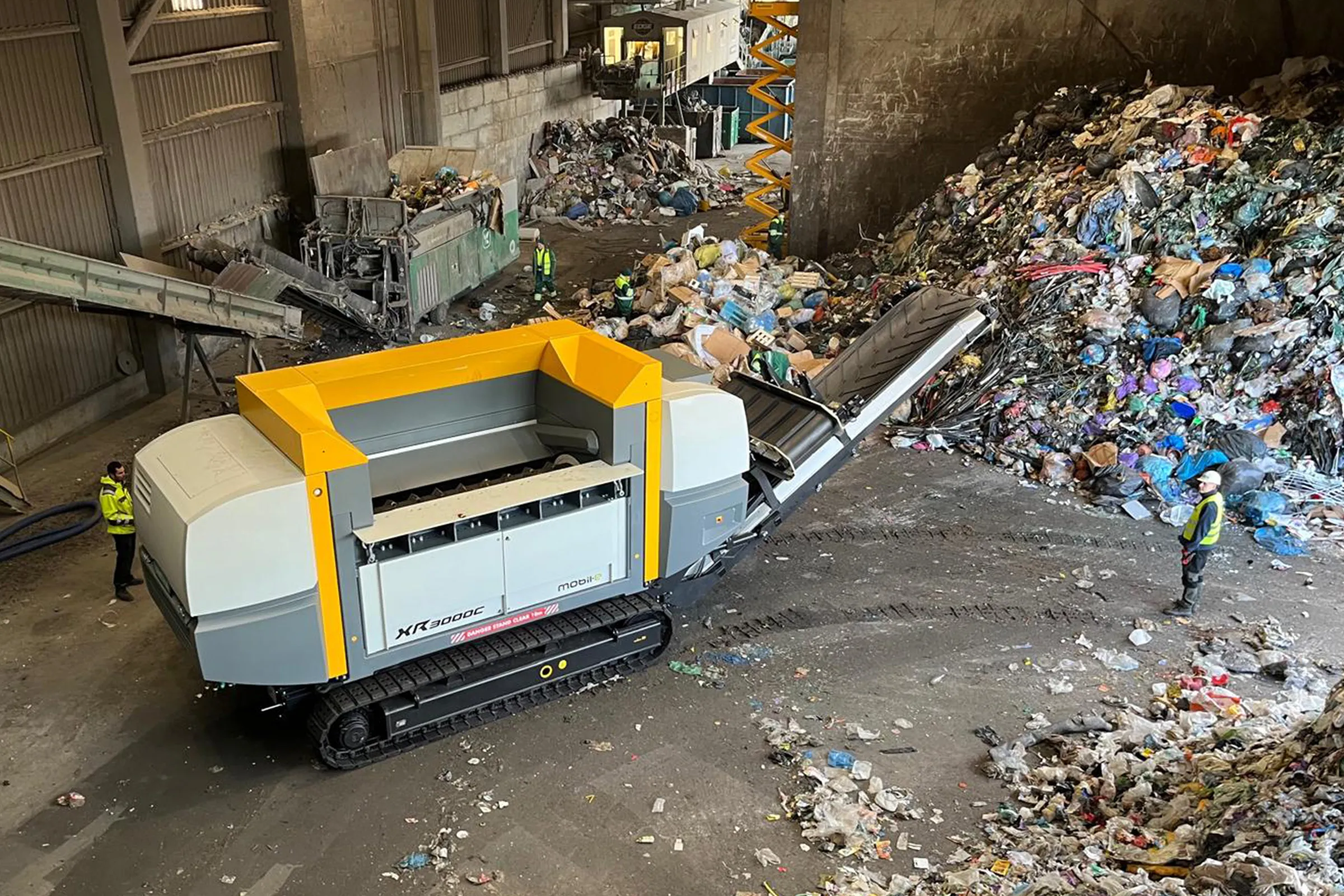
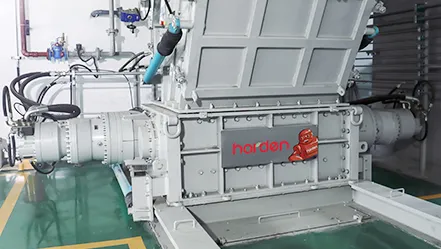
Twin-shaft hydraulic shredder for heavy and demanding waste. Extra torque for difficult materials.
Key features
- Hydraulic drive provides extra torque for heavy material
- Tolerates foreign objects and contaminated waste
- Suitable for hazardous waste and medical waste
- Reversing on jamming
- Robust construction for continuous operation
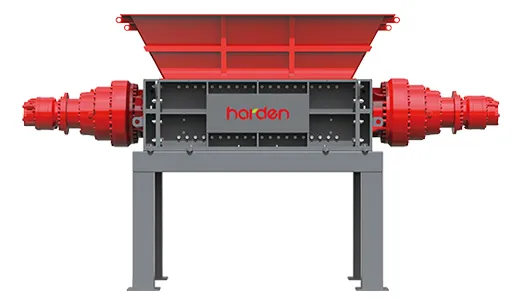
Harden TDH Series — Hydraulic shredder for heavy waste
The TDH series is Harden’s hydraulic twin-shaft shredders, designed for the most demanding materials. Hydraulic drive provides higher torque than electric, which is essential for car tyres, mattresses, bulky waste and contaminated waste.
Especially suited for facilities handling hazardous or medical waste, where reliability and power are critical.

Interested in Harden TDH Series?
Fill in the form – Eirik will get back to you with pricing and delivery time.
Other models
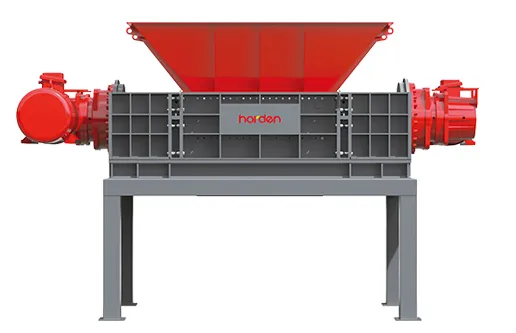 Twin-shaft shredder (electric)
Harden TD Series
Twin-shaft electric shredder for industrial waste, mixed waste and RDF production. Robust and maintenance-friendly.
Read more →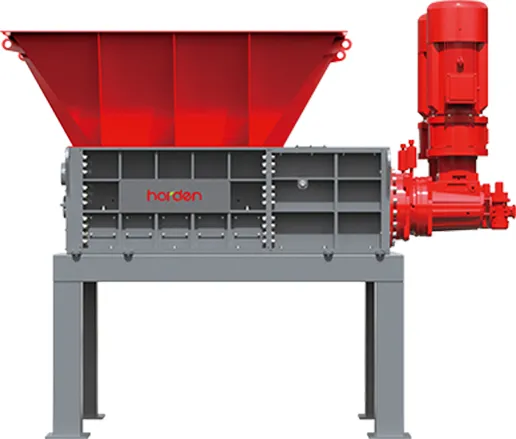 Four-shaft shredder
Harden QS Series
Four-shaft shredder for fine shredding and destruction. Low-speed with minimal noise and dust — perfect for secure destruction.
Read more →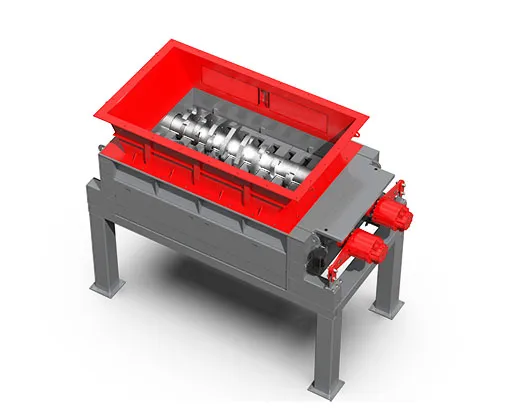 Primary shredder
Harden Primary Shredder
Coarse primary shredder for the first stage of the shredding process. Handles large dimensions and contaminated material.
Read more →Related articles
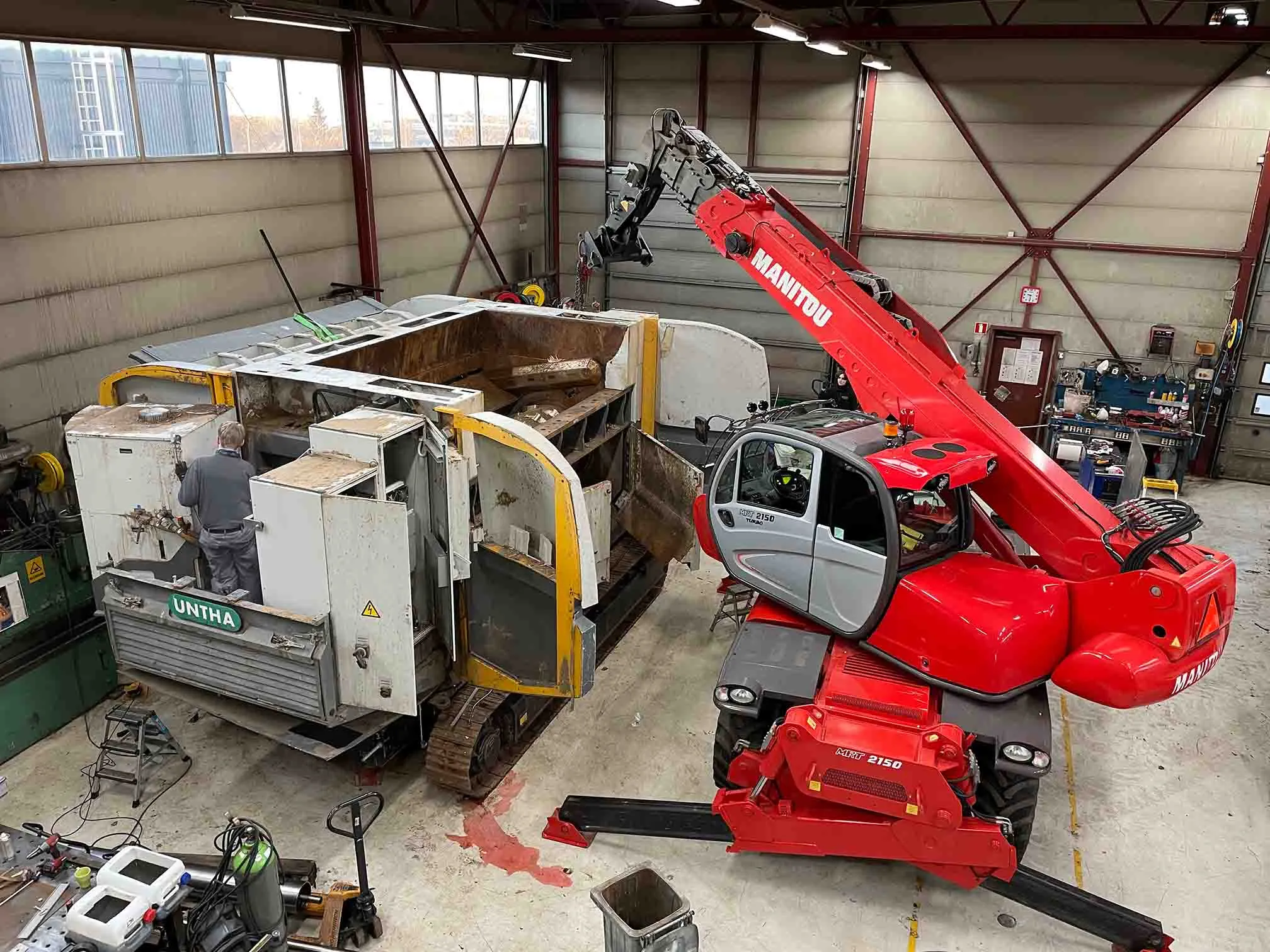
How to reduce downtime on mobile recycling machines
Preventive maintenance, correct spare parts, and clear operating routines deliver more uptime on equipment that is moved and exposed to dust.
Read more →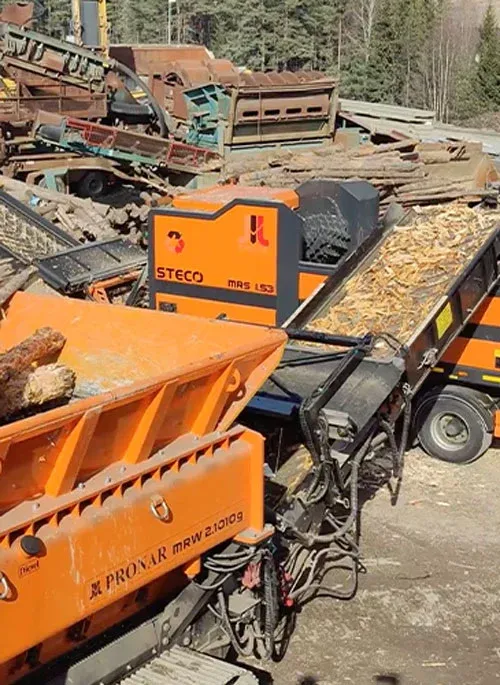
Mobile or stationary equipment: how to think total cost
Volume, setup time, and transport determine whether mobile recycling equipment or a fixed plant gives the lowest cost per tonne.
Read more →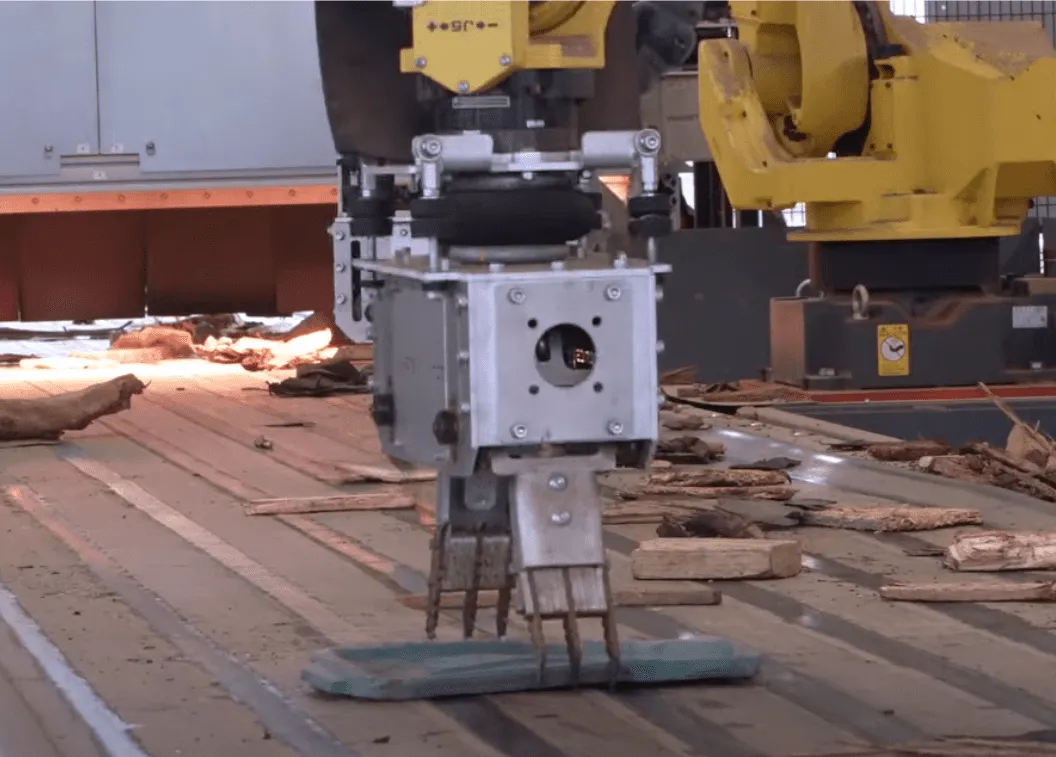
Manipulators for waste sorting – from robot arms to air jets
A review of different manipulator types that physically carry out sorting work in robotic waste sorting.
Read more →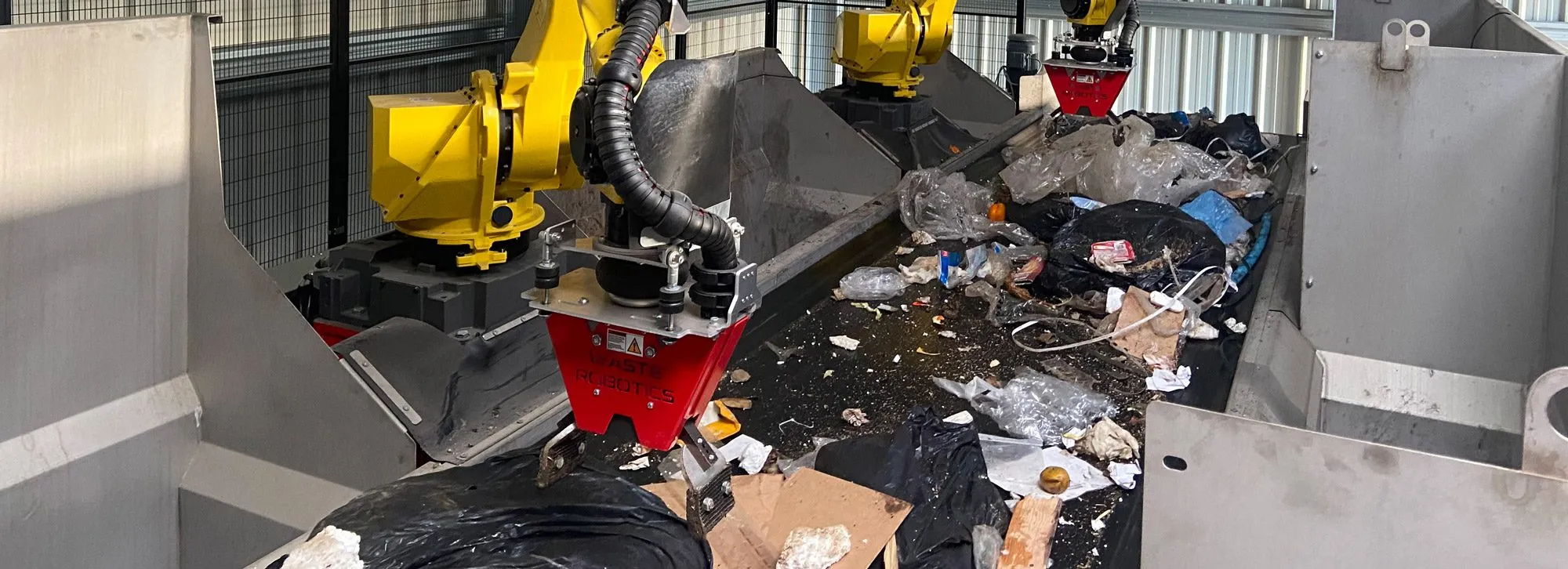
The interplay between detection and manipulation in waste robots
How waste robots depend on seamless coordination between detection systems and manipulators.
Read more →