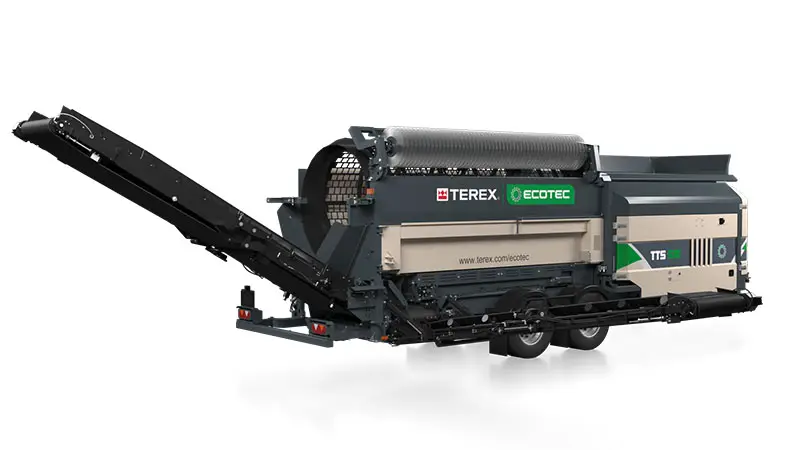
Terex Ecotec TTS 518
Mobile trommel screen for effective separation of material streams into multiple fractions. Available with wheeled or tracked undercarriage depending on terrain and rig.
Key features
- Trommel often provides smoother flow than vibrating screen on wet or lumpy materials
- Two undercarriage variants on the same model family – we clarify rig area and transport before selection
- Can be coupled with shredders and conveyors (TFC) in the same process
- Follow-up, spare parts and service via Steco as dealer
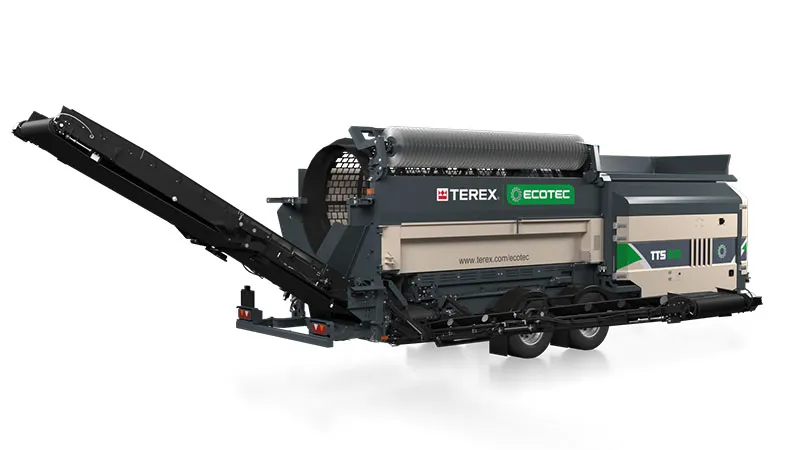
TTS 518 – trommel screen with choice of undercarriage
Trommel screening is used when you need to split the material stream into usable fractions – typically soil, compost, wood chips or light recycling. Setting the screen aperture and feed speed determines both quality of outgoing fractions and uptime.
TTS 518 is supplied with a wheeled undercarriage where you drive the machine to the rig area on normal roads. TTS 518T has a tracked undercarriage and is suited where the ground is uneven or you want to position on site without the same requirement for hard standing. It is the same trommel concept; the difference is mobility and rigging in the terrain.
For your operation this means you can choose based on transport, work surface and how often you move between projects – not least whether you need the machine on tight areas. Diesel is normally the starting point for mobile trommels; electric may be available in the portfolio. Contact us, and we will match configuration, capacity and documentation to your material and local requirements.

Interested in Terex Ecotec TTS 518?
Fill in the form – Eirik will get back to you with pricing and delivery time.
Other models
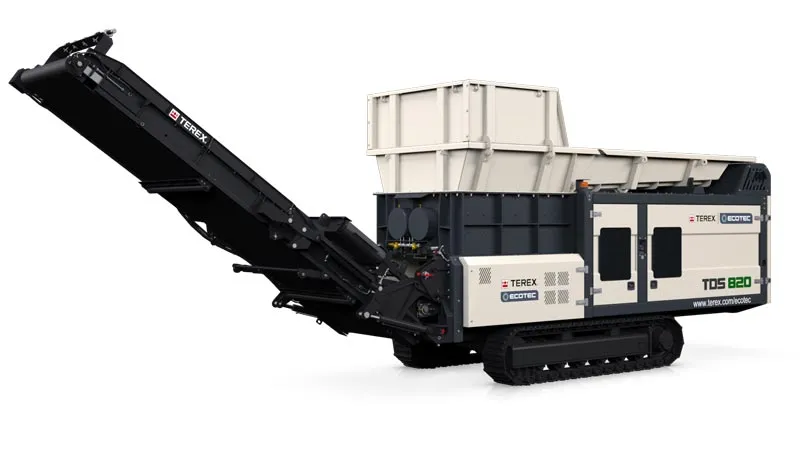 Slow-speed shredder
Terex Ecotec TDS 820
Slow-speed mobile shredder for demanding materials. Available as diesel (820) and electric (820E) where you want to reduce diesel use and have sufficient power available.
Read more →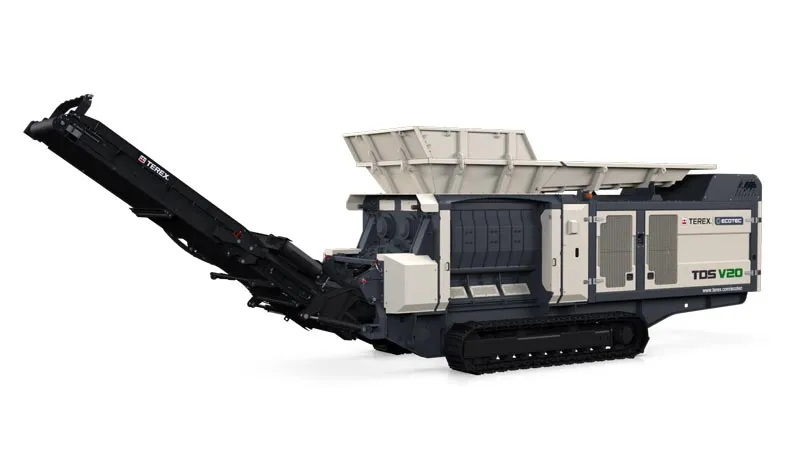 Medium-speed shredder
Terex Ecotec TDS V20
Medium-speed twin-shaft shredder for demanding materials. Configurable programs allow adaptation to different product streams.
Read more →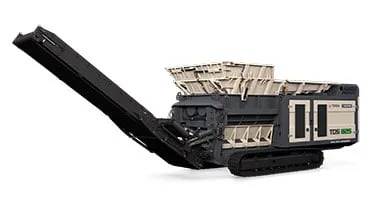 Slow-speed pre-shredder
Terex Ecotec TDS 825
Heavy-duty slow-speed twin-shaft pre-shredder for large volumes and coarse pre-processing before finer size reduction or sorting.
Read more →Related articles
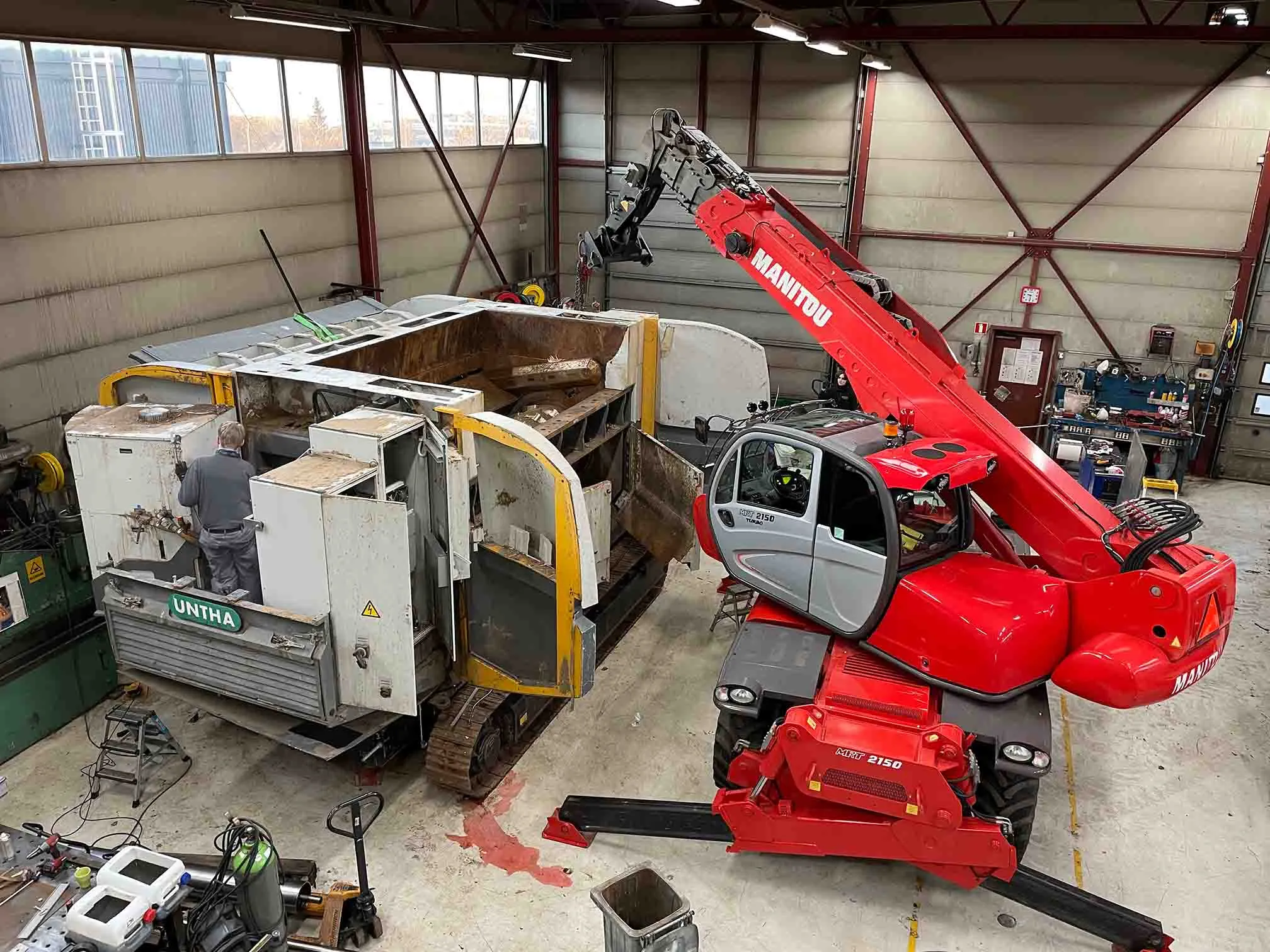
How to reduce downtime on mobile recycling machines
Preventive maintenance, correct spare parts, and clear operating routines deliver more uptime on equipment that is moved and exposed to dust.
Read more →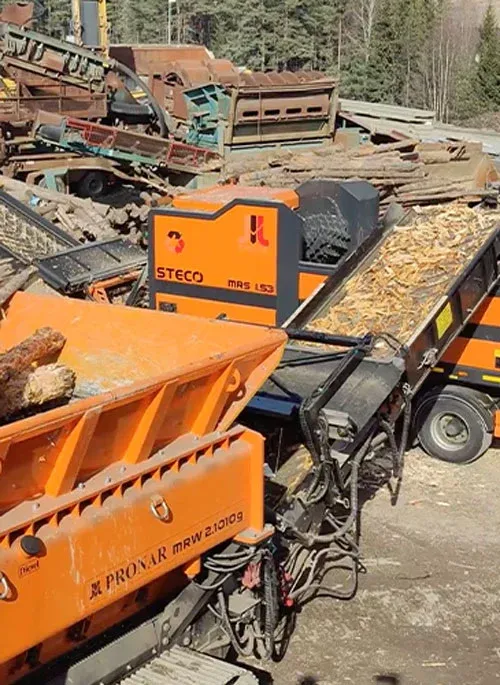
Mobile or stationary equipment: how to think total cost
Volume, setup time, and transport determine whether mobile recycling equipment or a fixed plant gives the lowest cost per tonne.
Read more →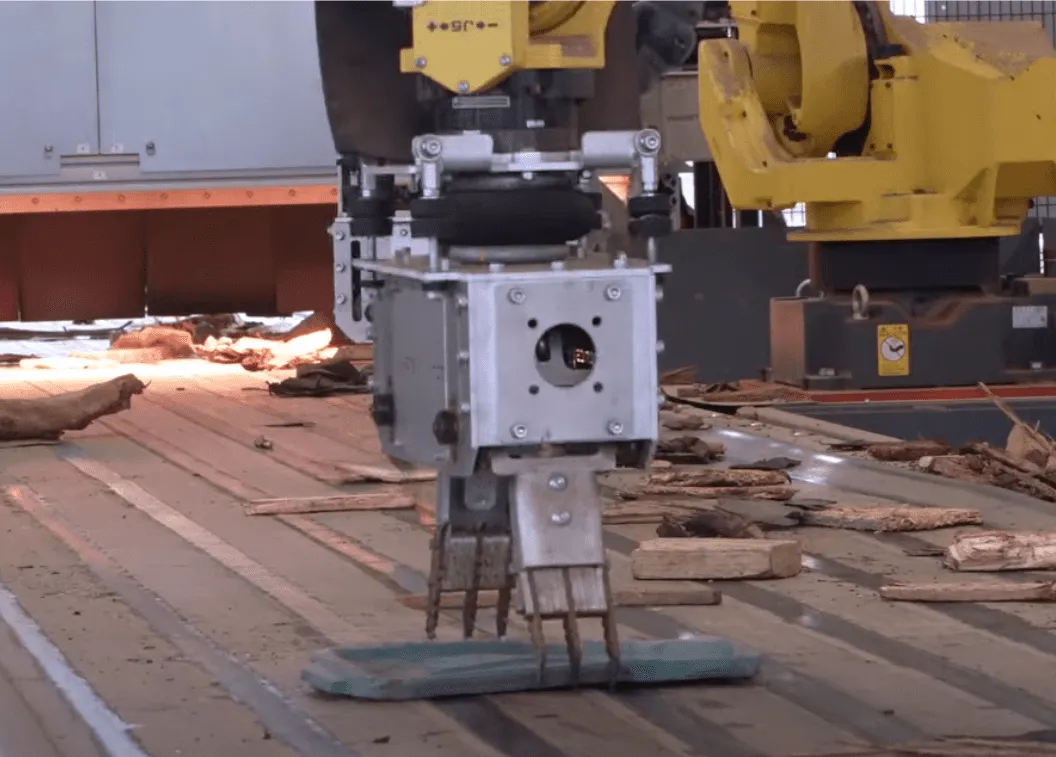
Manipulators for waste sorting – from robot arms to air jets
A review of different manipulator types that physically carry out sorting work in robotic waste sorting.
Read more →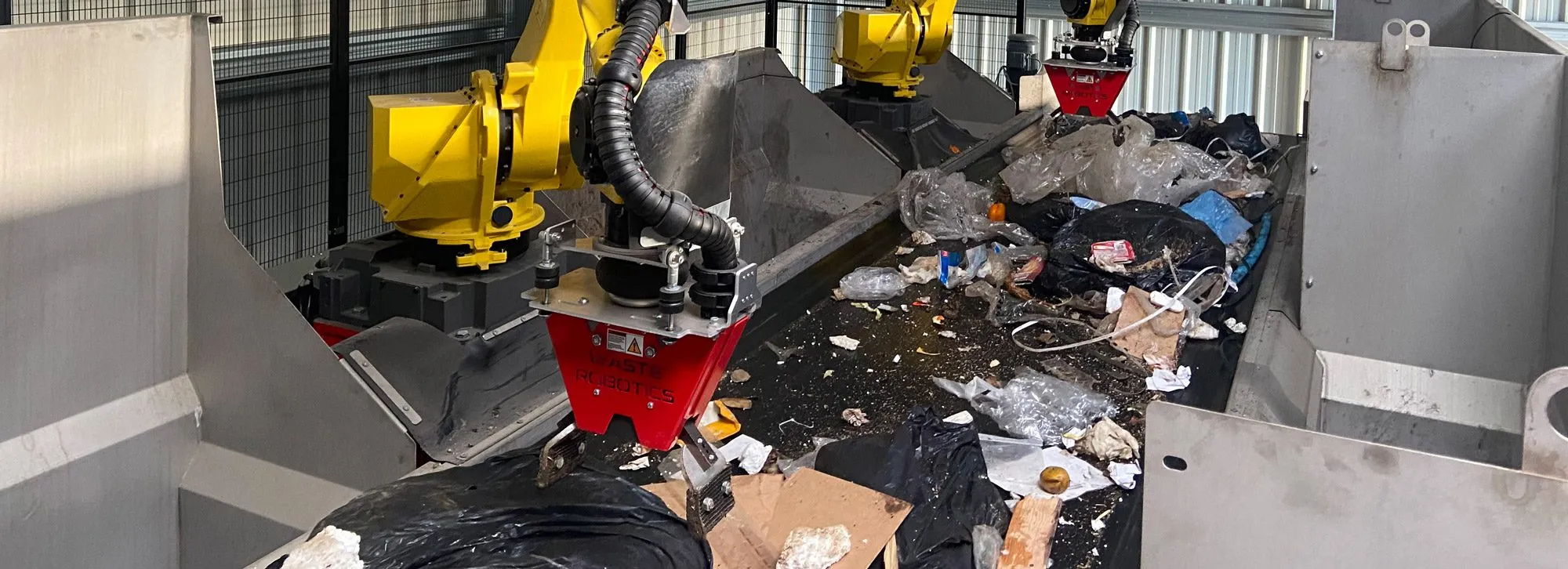
The interplay between detection and manipulation in waste robots
How waste robots depend on seamless coordination between detection systems and manipulators.
Read more →